
Arrest Warrants in Bee County
Under Texas Code of Criminal Procedure Chapter 15, an arrest warrant is a written order from a magistrate. It directs a peace officer to take an accused person into custody. A sworn complaint or affidavit backs the request. The magistrate reviews the facts and signs process naming or describing the person and stating the offense. Bee County has three District Courts for felony cases. A County Court handles the misdemeanor layer. JP and municipal courts take lower-level matters. The court or magistrate that issued the order controls the case record, and the Sheriff's Office page posts no complete public warrant list.
Bee County Arrest Complaints Reach Magistrates
Chapter 15 lets an authorized magistrate issue an arrest warrant on sworn facts. The complaint names the offense and the person. It is not a countywide search result anyone can pull. A district judge may act. So may a county judge, a justice of the peace, or a municipal judge, depending on jurisdiction. When checking status, ask which court signed the process. Also ask what cause number it carries. The clerk can point to the right file, but the court decides motions and bond, and no single warrant form covers every court level in Bee County.
What a Bee County Arrest Warrant Contains
Bee County publishes no sample arrest-warrant entry or field dictionary. Chapter 15 sets some formal requisites. A court or agency file may hold added identifiers. Treat these as questions for the clerk, not as a promise about what any portal shows.
| Process Number | Cause, citation, or docket number; Bee County has no published warrant-number format. |
|---|---|
| Named Person | Name or description required by law; confidential details may be withheld. |
| Charge / Offense | Offense stated in the warrant, with classification where available. |
| Issuing Judge / Court | Magistrate and court that directed the arrest. |
| Bond / Bail | Amount or release condition if set; confirm with the court. |
| Issue / Return | Dates and service result if the record is released. |
Bee County Warrant Field Limits
No official Bee County sample entry or code guide exists. Do not borrow another county's number pattern. Never copy a public docket entry as a model. Give the clerk the cause number and ask for the issuing court, the process label, current status, bond information, and the next setting. Some supporting papers stay sealed or withheld while officers rely on them. The public-access rule for an executed warrant does not put every affidavit or return online. Ask the issuing office what may be released.
How Bee County Arrest Warrants Are Served
The Sheriff and jail are one local service and custody channel. Its page names no warrant division or service roster. Beeville Police handles city policing. Citation questions go to Municipal Court instead. JP and municipal peace officers or constables may also serve process in Bee County under the issuing court's authority. After an arrest, Article 15.17 generally requires presentation before a magistrate without unnecessary delay. That deadline is no later than 48 hours. The magistrate gives warnings, addresses counsel, and considers bail where law allows, so ask counsel or the court what fits the charge.
Bee County Arrest Warrant Service Differs
The Sheriff's Office and Jail page gives office and custody contacts. It posts no public warrant unit, active list, or service-agency roster. For a Beeville citation in warrant status, the police page points to Municipal Court. The issuing court can name the serving agency. Planning an appearance? Ask counsel or the clerk whether booking may occur, where bond is accepted, and whether a walk-through can be arranged. Bee County sets no general surrender window.
Bee County Arrest Warrant vs Summons
An arrest warrant orders an officer to take someone into custody. A summons orders a person to answer a case. No arrest command rides with it. A bench warrant follows a missed court obligation. The label matters, so ask the Bee County clerk which order sits in the file and what response the judge expects.
| Feature | Arrest Warrant | Summons | Bench Warrant |
|---|---|---|---|
| What It Orders | Officer to arrest | Appear without arrest at the outset | Arrest after a missed obligation |
| Basis | Probable cause | Charge with court appearance | Failure to appear or comply |
| Who Issues It | Judge or magistrate | Court or authorized officer | Judge handling the case |
| How to Respond | Confirm with counsel and court | Appear on the stated date | Ask the court about recall or reset |
Bee County Capias Terms Differ
Chapter 23 uses "capias" for a court writ to arrest an accused person. The writ brings that person before the court. A capias pro fine is different. It concerns an unpaid judgment in a JP or municipal case. A search warrant targets evidence or property, not people. None of these is an arrest lookup. The Chapter 45A text adds hardship and voluntary-appearance safeguards for a capias pro fine. Someone who cannot pay should ask the issuing Bee County court about its hearing process.
Bee County Federal Warrants Use Corpus Christi
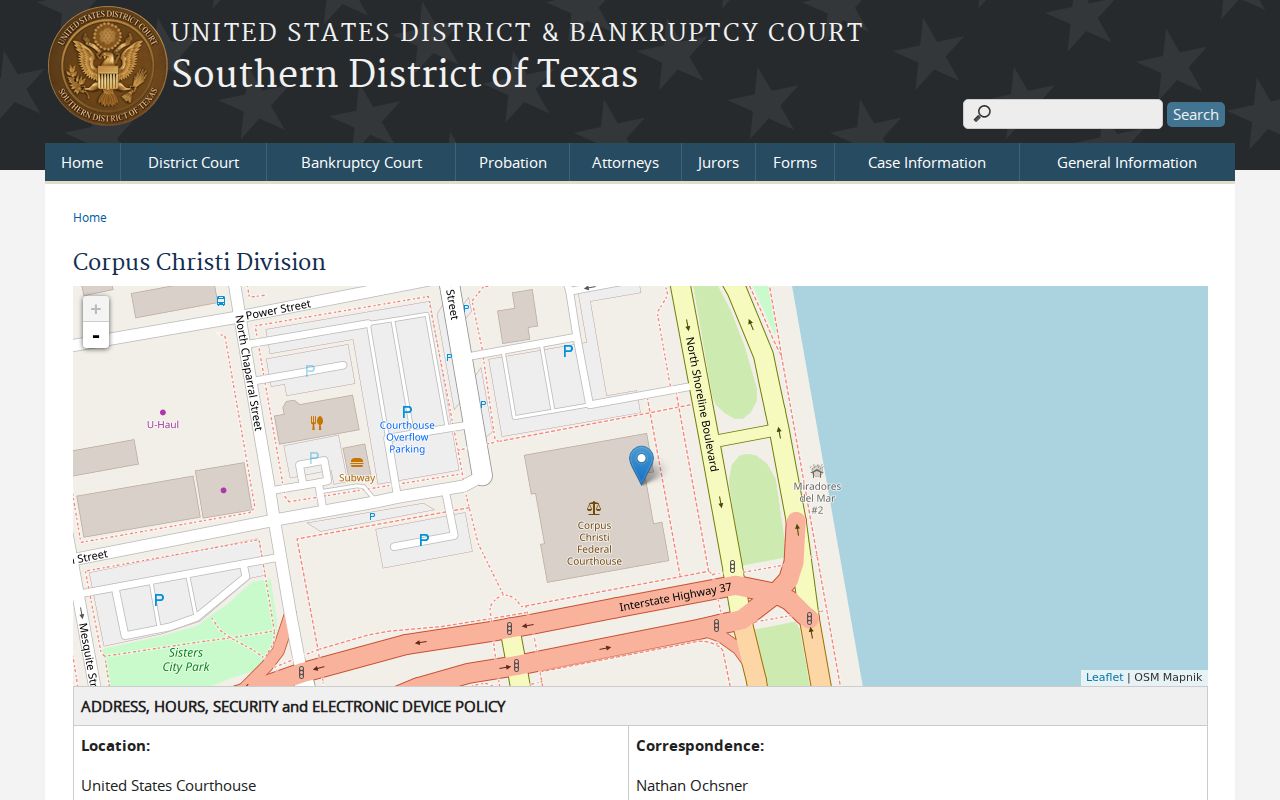
Federal process runs on a separate court system. Bee County sits in the Southern District of Texas. Its clerk keeps federal case records, and the U.S. Marshals page lists Southern District contacts plus its enforcement role. The Corpus Christi Division page gives the federal court route for Bee County cases. A call to the Bee County Sheriff won't confirm a federal warrant.
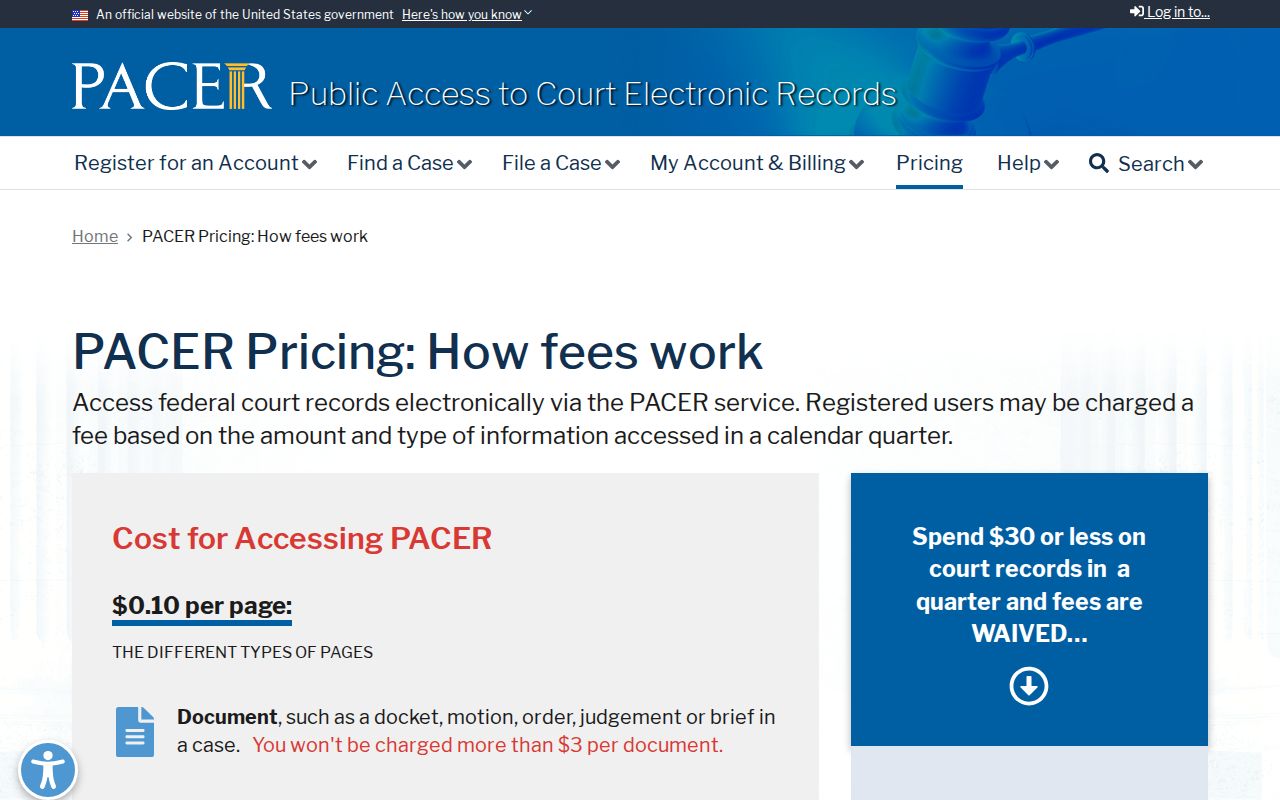
Federal dockets carry their own access limits. PACER's pricing page explains document charges and fee limits, though case search won't answer warrant status for a Bee County matter.
Sealed complaints and unserved process may stay out of public case searches. Ask counsel or the federal court about a specific Bee County matter.
What to Do If You Have a Bee County Arrest Warrant
Use the case number to confirm the order with the issuing clerk. Ask counsel first. That lawyer can raise a motion to recall or quash, set an appearance, or arrange bond before you go near the jail. Bee County publishes no single bond schedule or universal walk-in rule. Confirm where payment is accepted and which obligation remains in the underlying case.
Important: Speak with an attorney before a voluntary appearance. Only the issuing court can recall the order, and bond terms must be confirmed for the case.
Bee County Arrest Process After Service
After an arrest on a Bee County warrant, Article 15.17 generally requires prompt presentation before a magistrate, no later than 48 hours after the arrest. The magistrate gives warnings, counsel information, and considers bail where permitted. Fine-only and capias pro fine cases follow separate statutory treatment. From there, the court and the charge decide the next step. Keep the bond receipt or court order, and ask which setting remains. A warrant may be recalled while the case continues, so confirm both the process status and the duty the underlying case still demands.